BUILDING ENVELOPE

Air Sealing & Insulation

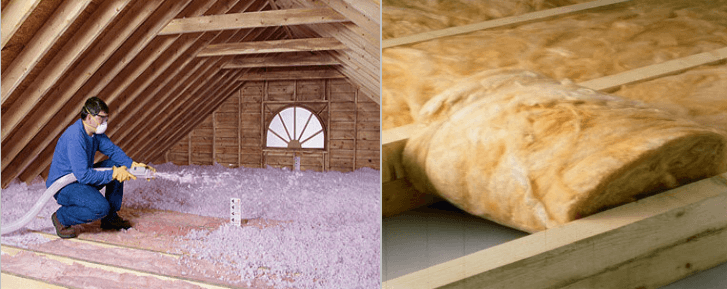
Properly insulating your home reduces heating and cooling costs and makes your home more comfortable year-round.

As seen in the Milwaukee Area

Properly Insulating Your Home Reduces Costs and Increases Comfort

Insulation is the foundation of any energy-efficient home. The right amount of insulation in the right places — combined with proper air sealing — keeps conditioned air inside, prevents drafts, and lowers utility bills.

The R-Value of Insulation

The R-value depends on the type of insulation and includes its material, thickness, and density. When calculating the R-value of a multilayered installation, add the R-values of the individual layers. Installing more insulation in your home increases the R-value and the resistance to heat flow.

The effectiveness of an insulation’s resistance to heat flow also depends on how and where the insulation is installed. Insulation that is compressed will not provide its full rated R-value. The overall R-value of a wall or ceiling will be somewhat different from the R-value of the insulation itself because some heat flows around insulation through studs and joists in wood-framed buildings (called thermal bridging).

The amount of insulation or R-value you’ll need depends on your climate, type of heating and cooling system, and the section of the house you plan to insulate.


Recommended Levels of Insulation

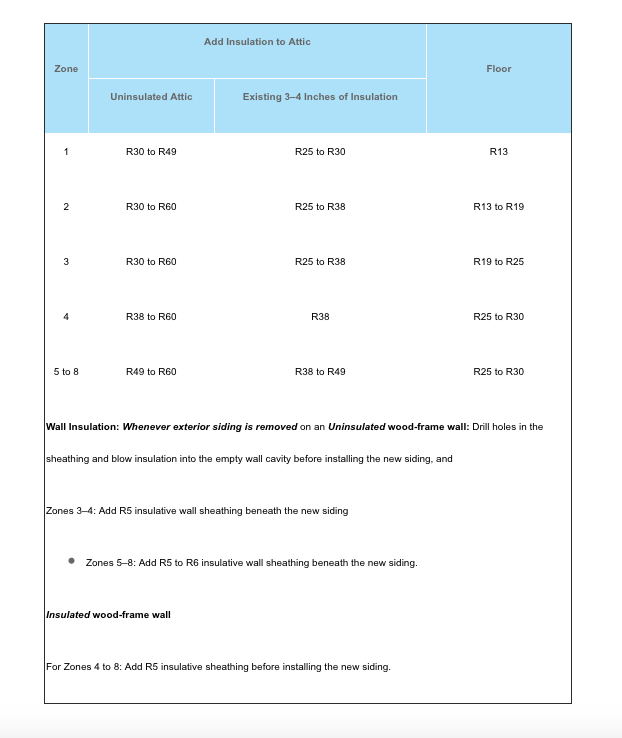
Recommended Insulation Levels for Retrofitting Existing Wood-Framed Buildings

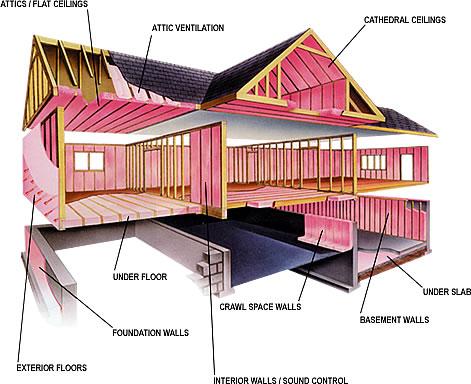
Where to Insulate

Insulation effectiveness depends on where it’s installed. The chart above identifies the recommended R-value for each climate zone and each part of the home — attics, walls, floors, basements, and crawl spaces. Pair the insulation with proper air-sealing for maximum results.

Improving Your Home Envelope

Sealing leaks and adding insulation to the building envelope are some of the most cost-effective ways to improve home efficiency, comfort, and durability. The illustrations below show common areas where the envelope can be improved.

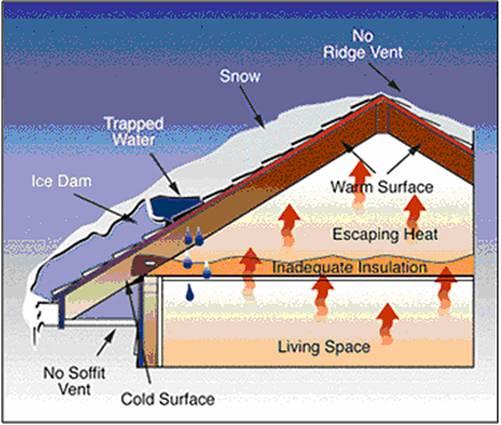
Hidden Air Leaks and Lack of Proper Insulation

If you add up all the hidden air leaks in your home, they can equal a hole the size of an open window. A blower-door test combined with infrared imaging exposes those leaks so we can target the right spots before adding insulation. Sealing the envelope first makes the insulation actually do its job.

Ready to Fix It Right the First Time?

Most homeowners overpay because they don’t get the right diagnosis first. Let us change that.